
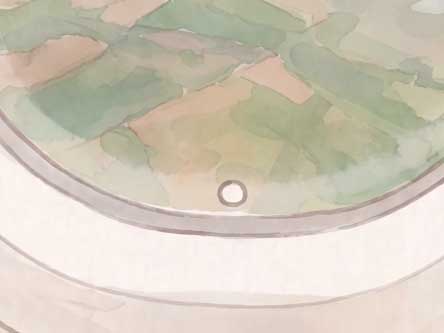
Daniel was sitting next to the window on an airplane when he noticed two things he had never really thought about. Why are the windows round instead of square? And what is that tiny hole doing in the corner? Mom had the answers — and they were both about the same thing.
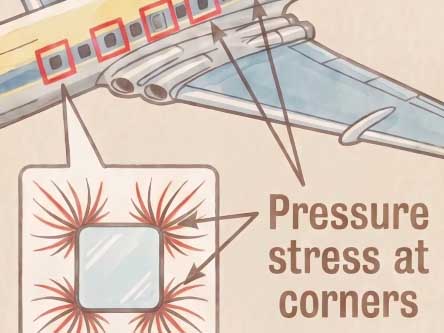
Early airplanes actually had square windows. But the sharp corners concentrated pressure and caused cracks. Engineers switched to round windows to spread that pressure more evenly. And the tiny hole is part of a three-layer window system that balances air pressure so the glass does not have to work too hard. Two small details. Both there to make sure the window never fails.

Daniel spots something odd, grabs the camera, and won't move on until he knows the real reason behind it.

Mom keeps it under a minute and makes sure every surprising fact is one you can repeat at dinner and still be right.