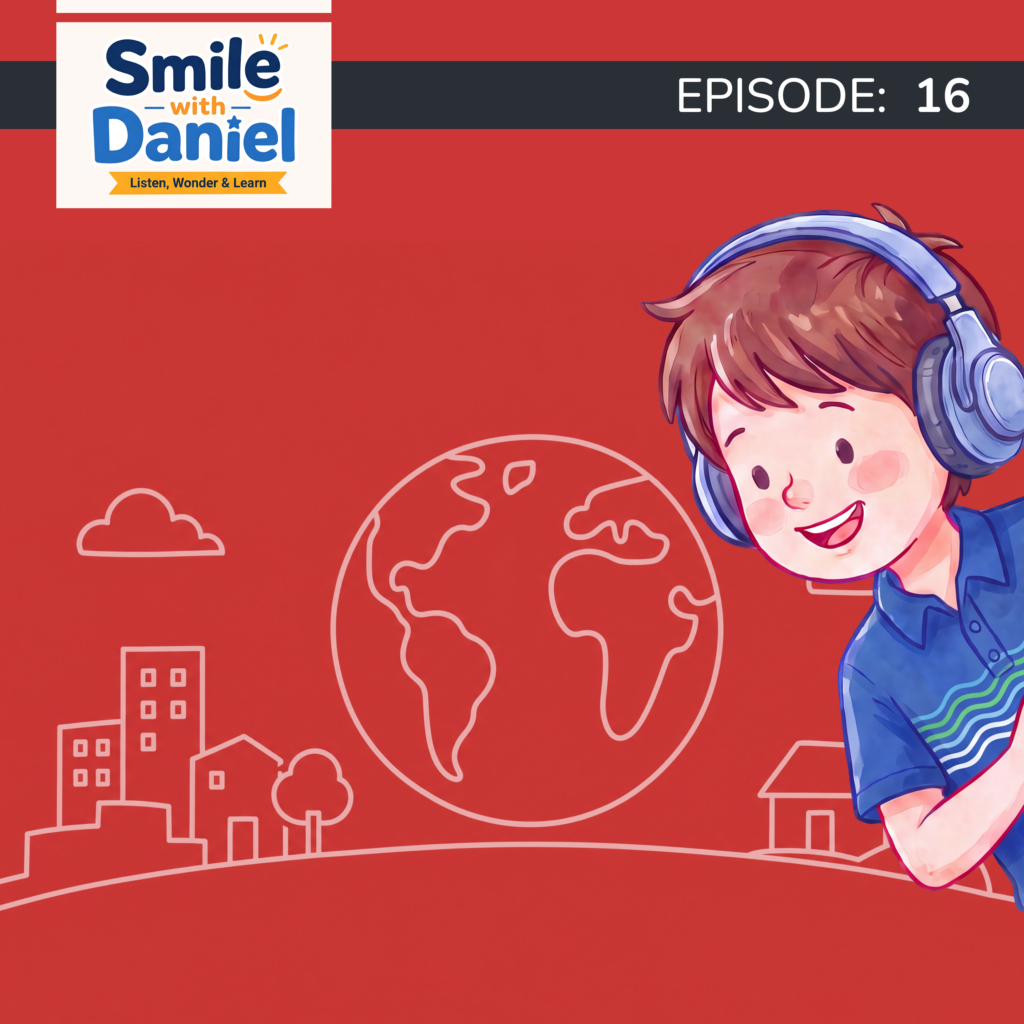

The phrase third world was coined in 1952 by French economist Alfred Sauvy, who used it to describe countries that were aligned with neither the United States and its allies nor the Soviet Union and its bloc during the Cold War. The term was an analogy to the Third Estate in pre-revolutionary France, referring to those outside the dominant power structures. Over time the phrase shifted in common usage to refer to economic development rather than geopolitical alignment. Most international organizations now use more specific terminology rather than the original Cold War categories.
Daniel and Mom trace where the phrase came from, what it originally meant, how its meaning changed, and why the history matters for understanding what people mean when they use it today.

Daniel is nine. He asks the questions, refuses to accept easy answers, and picks every episode topic himself.
Mom does the digging - finding the sources, checking the claims, and translating them into something a nine-year-old will actually sit still for.

Third world was coined in 1952 by Alfred Sauvy to describe countries aligned with neither the US nor Soviet blocs.
The term was an analogy to the Third Estate of pre-revolutionary France, meaning those outside power structures.
The meaning shifted over time from geopolitical alignment to economic development in common usage.
Most international organizations now use more specific terminology rather than the original Cold War categories.
“Next time I hear it on the news I'm going to think about two giant teams and all the countries that weren't part of either one.”